Must-See Places in Croatia

Discover Croatia’s most iconic places by bike — UNESCO wonders, historic towns, and sun-drenched islands along the stunning Adriatic Coast.
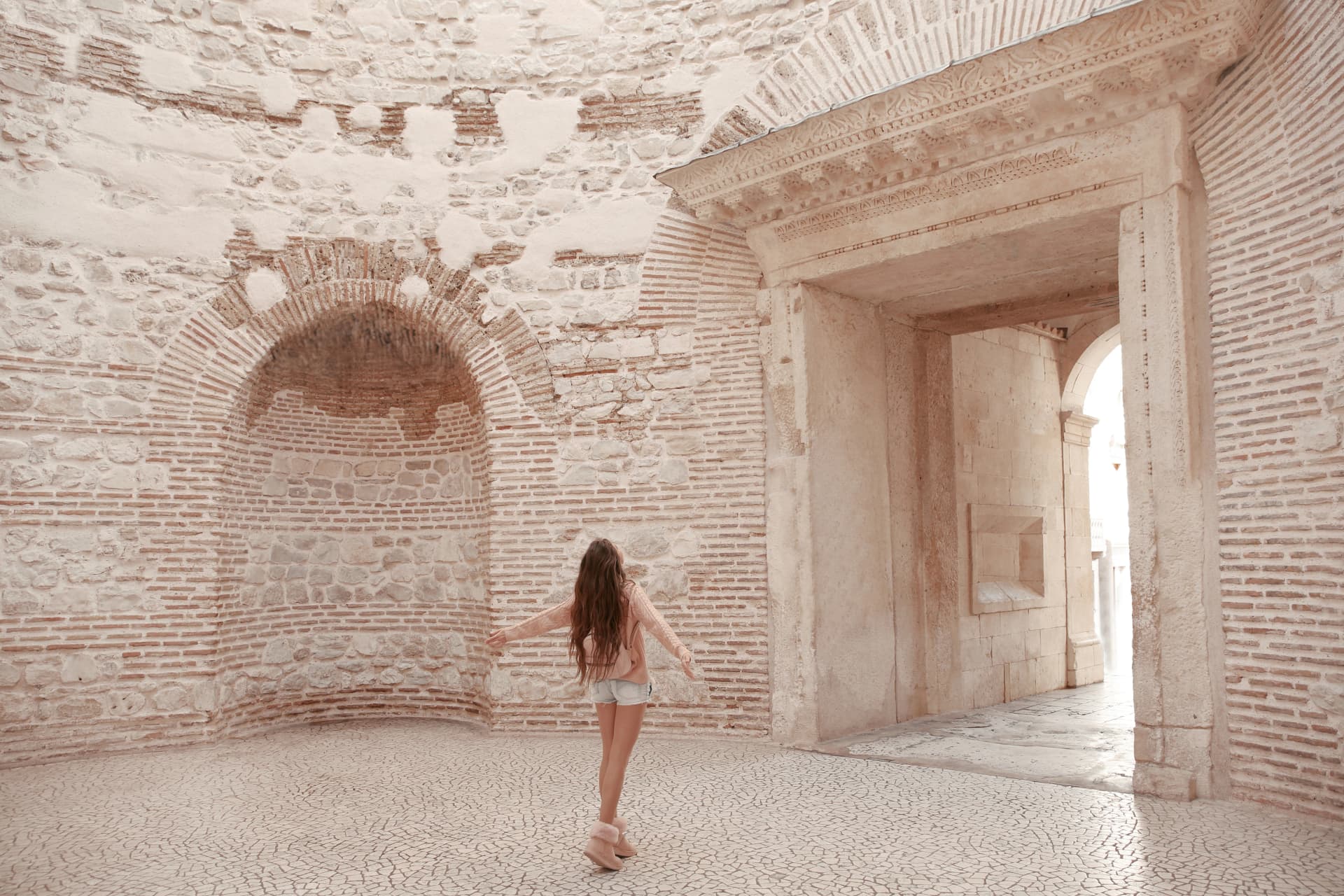
Hero Image

Croatia is home to 10 UNESCO World Heritage Sites (8 cultural, 2 natural) making it one of Europe’s densest concentrations of protected treasures. 

On our cycling tours in Croatia, you’ll pass through and beside world-class heritage — from Roman palaces and medieval walls to dramatic coastal fortresses — so the journey is more than just scenic roads; it’s a ride through history and nature.

Explore below to discover the most breathtaking places you’ll see when on a bike tour Croatia.

Highlights by Region

Istria – Rolling Hills, Coastlines & Ancient Towns

Istria, often called Croatia’s Tuscany, combines Mediterranean charm with Central European culture. Its winding roads lead from truffle forests and hilltop villages to Roman ruins and turquoise coves.

This region is best featured in our signature Best of Istria Bike Tour and Slovenia & Istria Cycling Holidays, showcasing both coastal and inland gems.

Highlights:

Parenzana Trail image 1

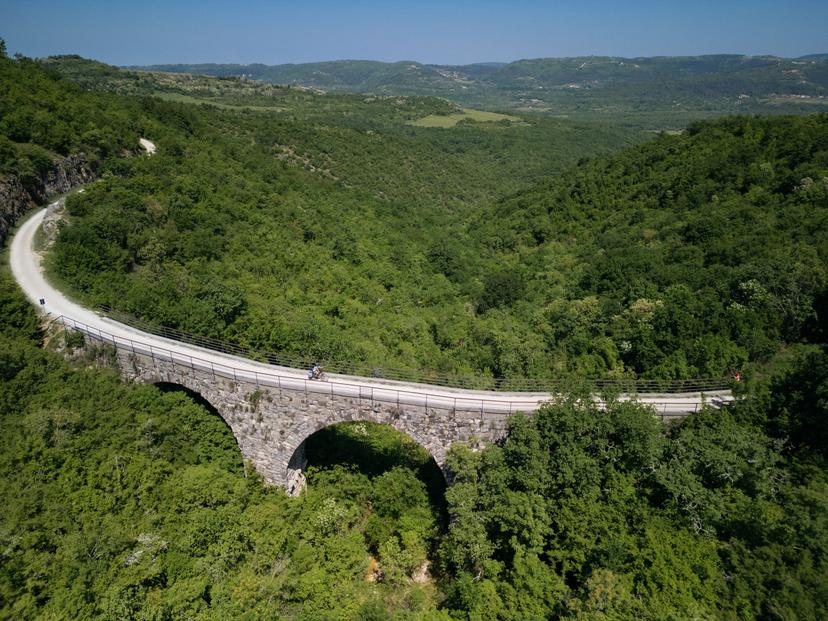
Parenzana Trail

The Parenzana Trail follows a historic narrow-gauge railway built in 1902 that once connected Trieste with Poreč. Today, it’s one of the most scenic cycling and walking routes in the region, running through tunnels, viaducts, and rolling vineyards across Slovenia and Croatia. Stretching 123 kilometers, it’s both a cultural journey and a living monument to the region’s industrial heritage.

Grožnjan image 1

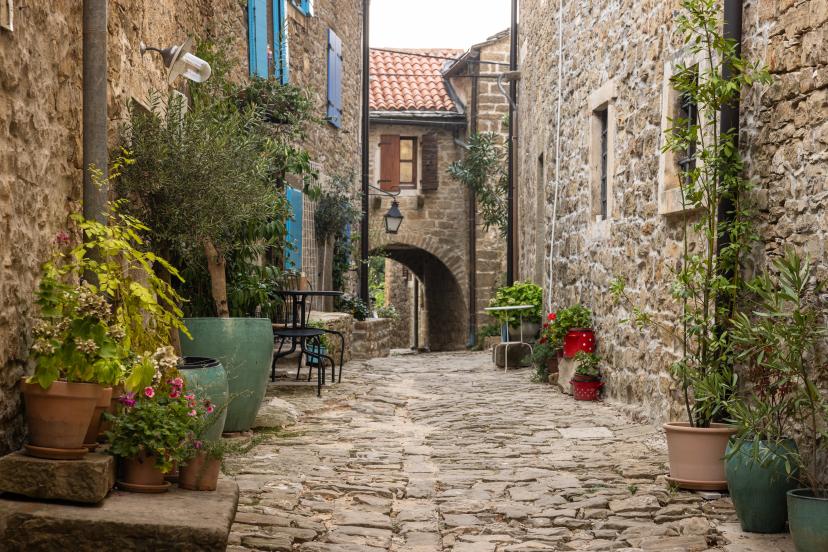
Grožnjan

Perched on a hilltop in Croatia’s Istrian peninsula, Grožnjan is renowned as the “town of artists.” Its medieval stone lanes are packed with more than twenty galleries and studios, and music festivals fill the narrow streets each summer. With panoramic views over vineyards and olive groves, Grožnjan blends history, art, and a relaxed Mediterranean charm that makes it a favorite stop for culture lovers and cyclists crossing the border from Slovenia.

Motovun image 1

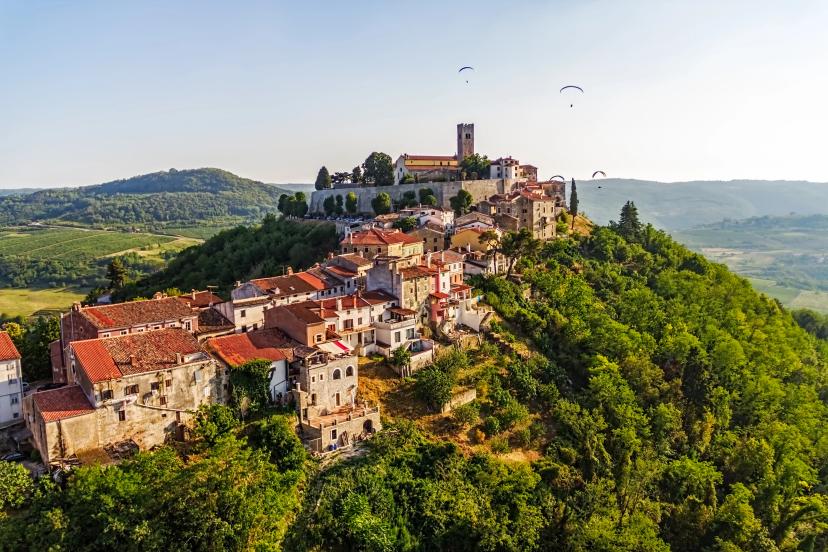
Motovun

Just a short ride away, Motovun rises dramatically above the Mirna River valley and is famed for its intact medieval walls and sweeping views across central Istria. The town is at the heart of Croatia’s truffle region, offering everything from simple truffle tastings to fine dining. Its cobbled streets, Venetian architecture, and surrounding forests make Motovun both a culinary hotspot and one of the most atmospheric hill towns in the region.

Lim Fjord image 1

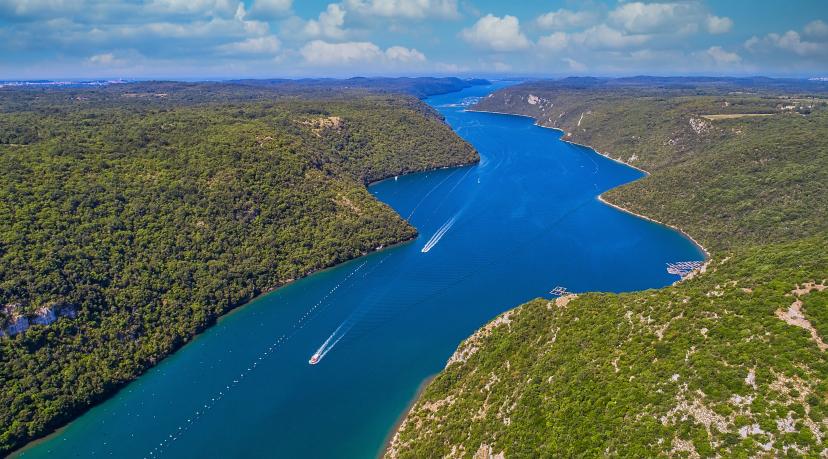
Lim Fjord

Also known as Limski Fjord, this narrow, 10-kilometer-long bay cuts deep into the Istrian coast between Rovinj and Poreč. It’s actually a flooded karst valley, known for its oyster and mussel farms and steep forested cliffs. The area is protected for its unique ecosystem and crystal-clear waters, which change color with the sunlight — a true natural wonder of western Istria.
Premantura image 1

Premantura

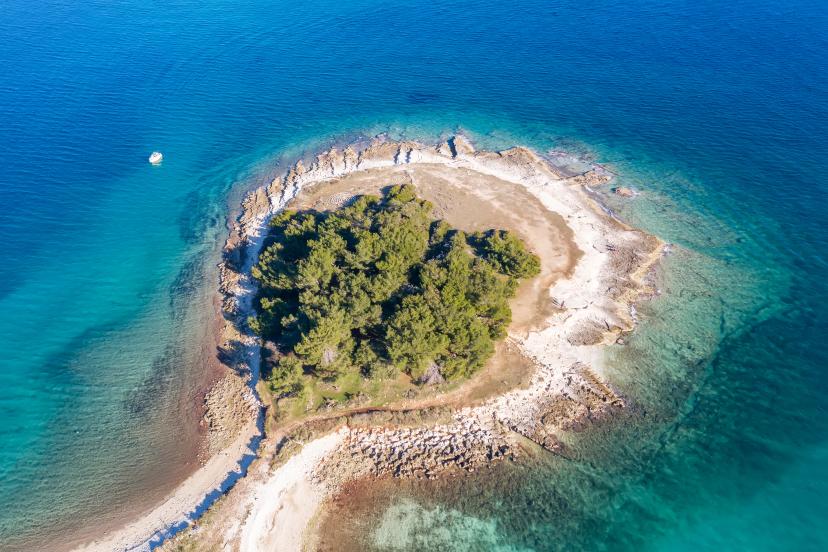
Premantura is the southernmost tip of the Istrian peninsula, known for the protected landscape of Cape Kamenjak. The cape is dotted with coves, cliffs, and beaches, and its coastline stretches for about 30 kilometers. Cyclists and hikers can explore its trails, while swimmers and divers are drawn to its clear waters and unique rock formations.

Arena Pula image 1

Arena Pula

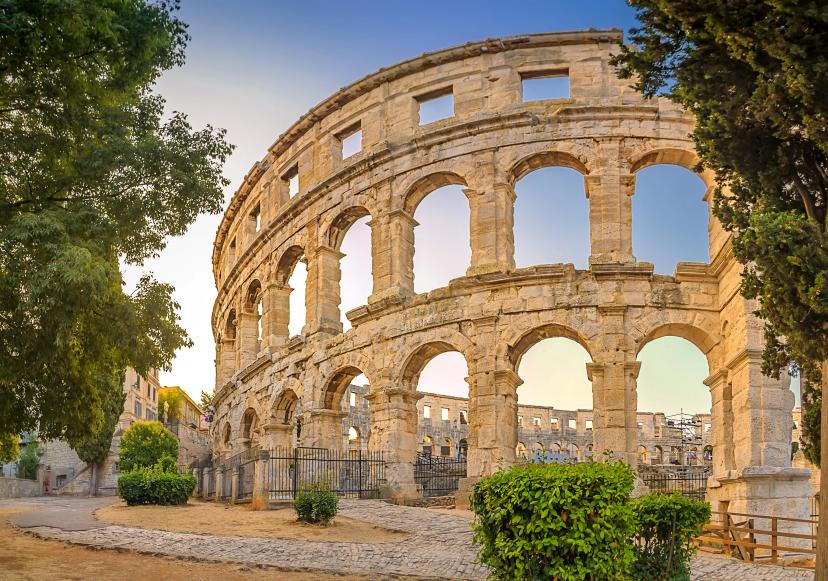
The Pula Arena is one of the best-preserved Roman amphitheaters in the world. Built in the 1st century AD under Emperor Vespasian—the same emperor who commissioned the Colosseum in Rome—it could once seat 23,000 spectators. Today, it hosts concerts, film festivals, and cultural events, making it a remarkable blend of ancient history and modern life in the heart of Pula.

Rovinj Old Town image 1

Rovinj Old Town

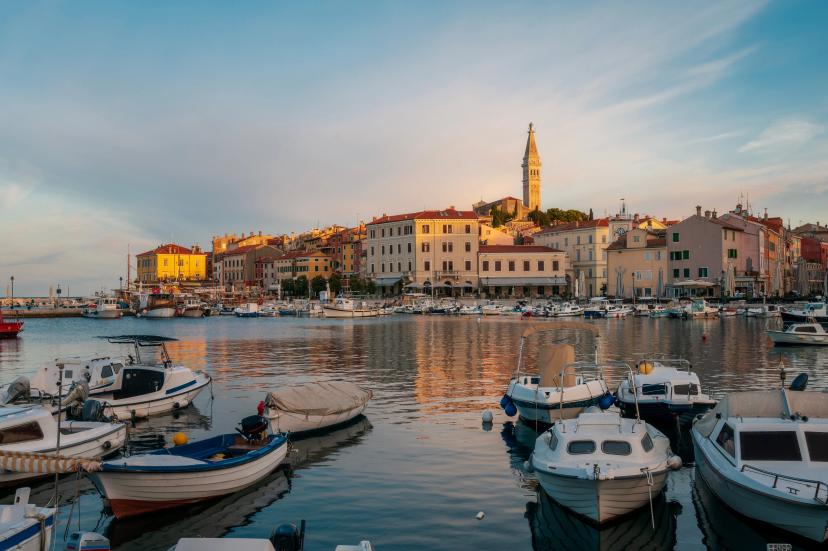
Rovinj is a picturesque Istrian town built on a small peninsula jutting into the Adriatic. Its narrow, cobbled lanes climb toward the Church of St. Euphemia, whose tall bell tower offers sweeping views. The waterfront is lined with pastel houses, cafés, and fishing boats. Once an island itself, Rovinj merged with the mainland over centuries but retains an intimate, coastal charm.

Dalmatia – Ancient Cities & Adriatic Blue

Dalmatia is where history meets the sea — a sun-drenched coast lined with Roman palaces, Venetian fortresses, and lively harbors.

Our Split to Dubrovnik Bike Tour and Croatia Cycling Challenge capture the region’s highlights, from Split’s imperial heritage to Dubrovnik’s world-famous old town.

Highlights:

Diocletian’s Palace image 1

Diocletian’s Palace

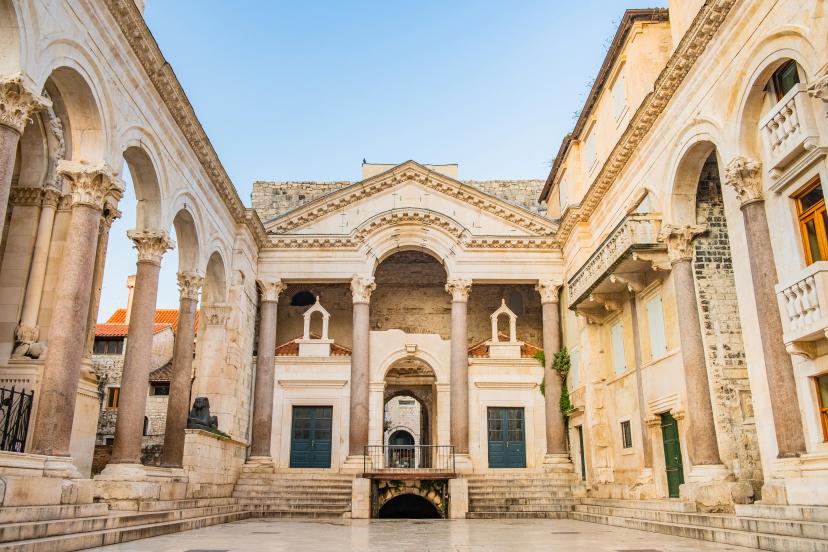
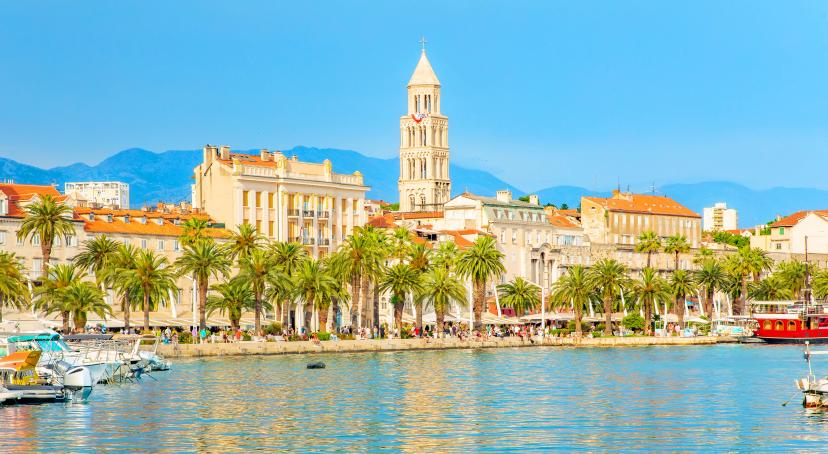
Built around AD 305 for the Roman Emperor Diocletian, this UNESCO-listed palace forms the very heart of Split. Its walls, gates, and courtyards make up half of the old town, where locals still live and work among Roman columns and arches. Highlights include the Peristyle courtyard, the Temple of Jupiter, and the vast underground cellars—some of the best-preserved in the Roman world.

Riviera Split image 1

Riviera Split

Stretching along the central Dalmatian coast, the Split Riviera blends cultural heritage with Adriatic beauty. From ancient Salona to palm-lined promenades and pebbly beaches, it’s an area where Roman ruins, coastal villages, and clear turquoise waters meet—an inviting mix of city life and seaside calm.

Ston image 1

Ston

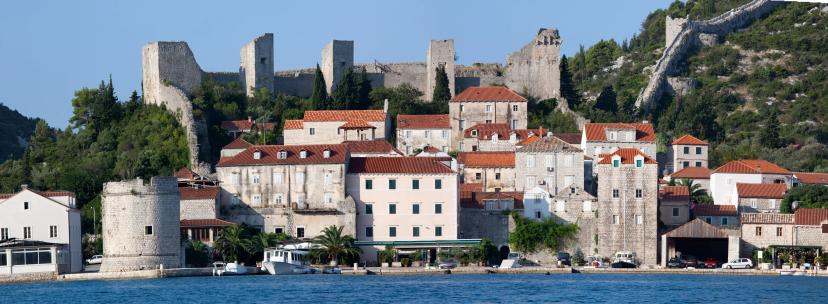
Set at the gateway to the Pelješac peninsula, Ston is famous for its medieval stone walls—dubbed the “Great Wall of Croatia.” Built in the 14th century to defend its valuable salt pans, the fortifications stretch more than 5 kilometres over the hillside. The town is also known for Europe’s oldest active saltworks and its fresh oysters.

Dubrovnik Old Town image 1

Dubrovnik Old Town

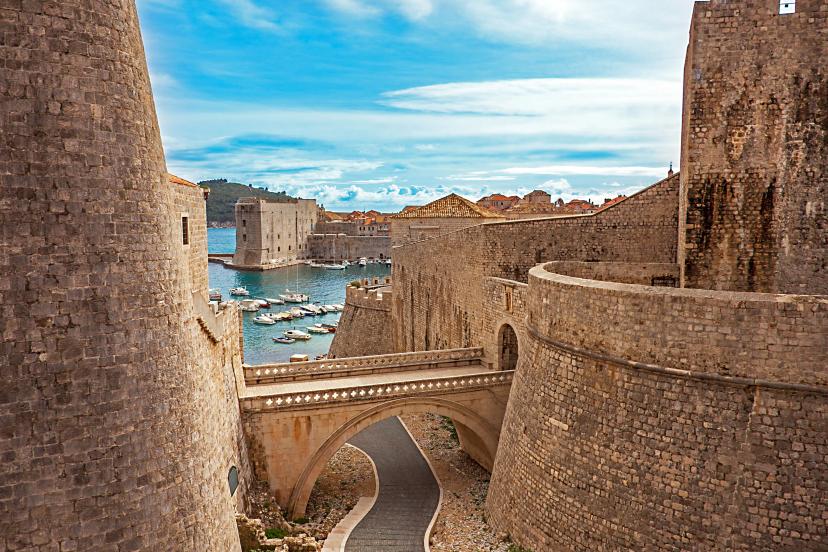
Encircled by monumental 16th-century walls, Dubrovnik’s Old Town is Croatia’s most famous UNESCO site and one of Europe’s best-preserved medieval cities. Founded in the 7th century, it flourished as the Republic of Ragusa, rivaling Venice in maritime trade. Highlights include the Rector’s Palace, Stradun Street, and Fort Lovrijenac rising above the Adriatic. 

Lovrijenac Fortress  image 1

Lovrijenac Fortress

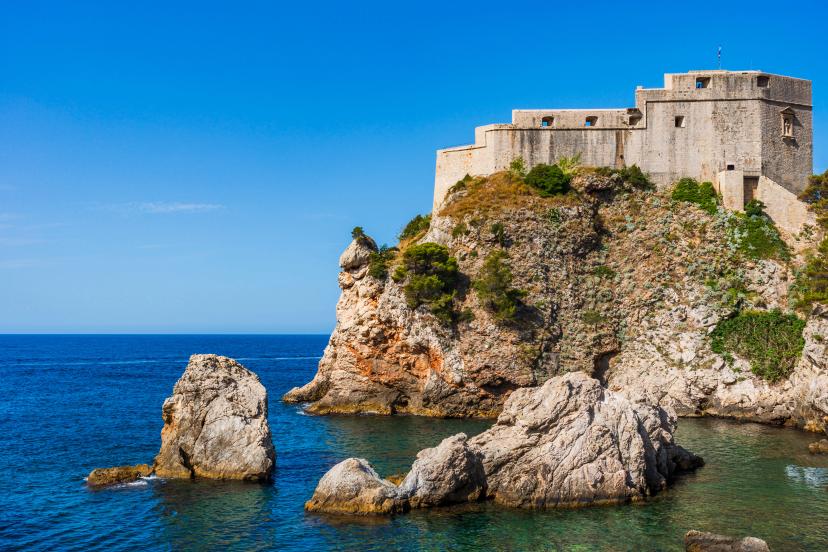
Standing 37 meters above the Adriatic on a dramatic cliff west of Dubrovnik’s old walls, Lovrijenac Fortress has guarded the city since the 11th century. Known as “Dubrovnik’s Gibraltar,” it was key to the city’s independence. The fortress also gained modern fame as the filming site for the Red Keep in Game of Thrones. Today, it serves as a venue for concerts and the Dubrovnik Summer Festival, with views that capture the city’s grandeur.

Trsat Castle image 1

Trsat Castle

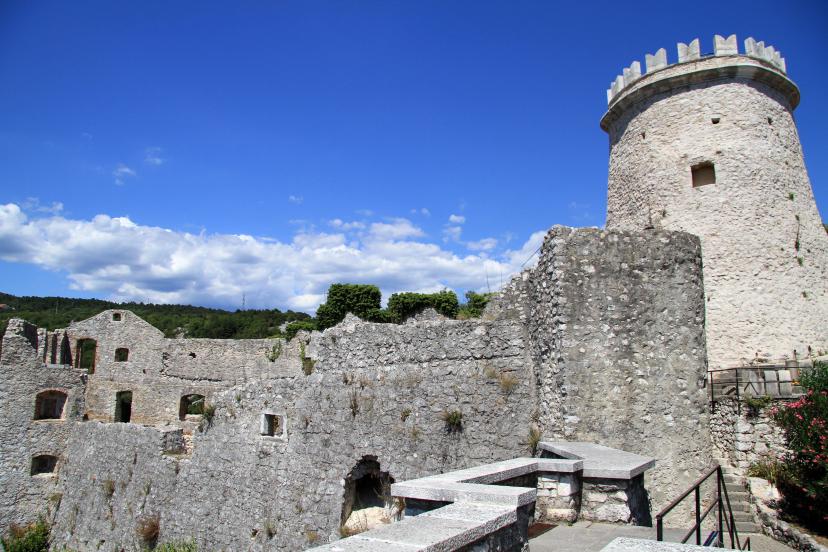
Overlooking the city of Rijeka, Trsat Castle sits atop a 138-meter hill that has been fortified since Roman times. The current castle dates to the 13th century, when the Frankopan family rebuilt it as a defensive stronghold. Today, it offers panoramic views of the Kvarner Bay and the islands of Krk and Cres. Within its walls are a courtyard, galleries, and a café, making it one of Rijeka’s most visited historical sites.

Castle Kraljevica image 1

Castle Kraljevica

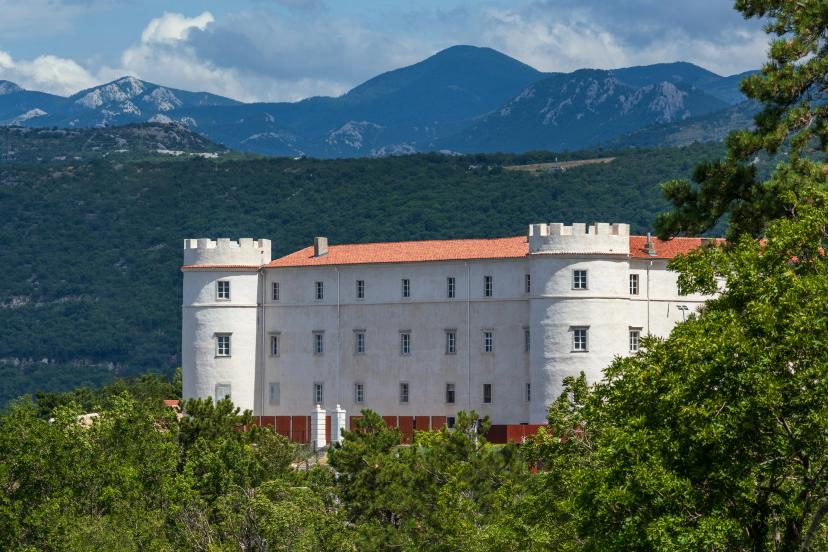
Built in the early 17th century, Frankopan Castle in Nova Kraljevica is one of the last grand residences of the noble Frankopan family, one of Croatia’s most influential medieval dynasties. The four-winged Renaissance fortress stands at the mouth of the Bay of Bakar, once guarding trade routes between the Adriatic and inland Croatia. It now serves as a cultural venue and museum celebrating the Frankopan legacy.

Nehaj Fortress image 1

Nehaj Fortress

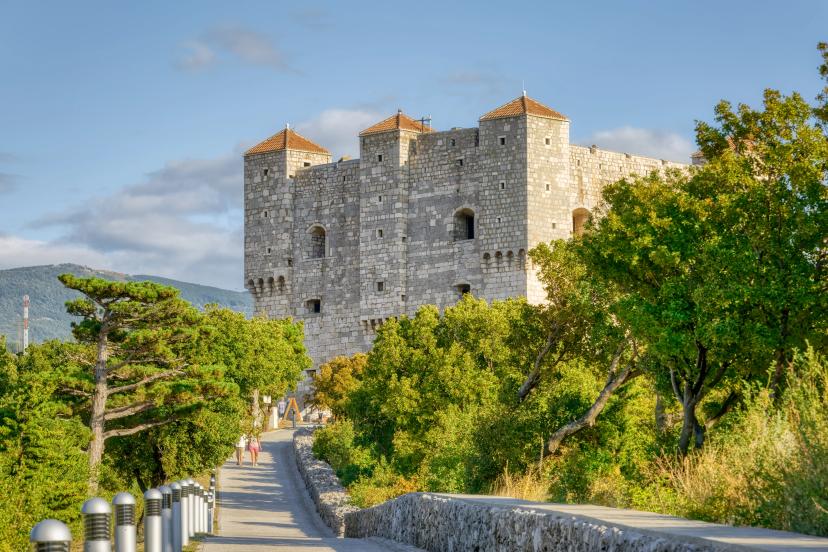
Dominating the skyline of Senj, Nehaj Fortress was completed in 1558 as part of the region’s defenses against Ottoman and Venetian incursions. Built by the Uskoks — famed local warriors — it became a symbol of resistance and freedom. The square stone fortress stands 18 meters tall and today houses a museum dedicated to the Uskoks’ turbulent history.

Vransko Jezero image 1

Vransko Jezero

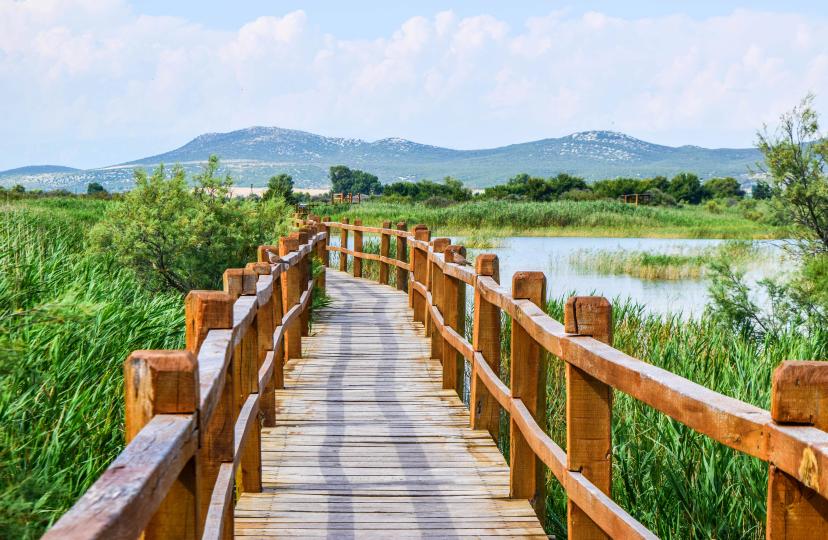
Located between Zadar and Šibenik, Vransko Jezero is Croatia’s largest natural lake and a designated nature park. The lake is separated from the sea by a narrow strip of land and provides a vital wetland habitat for over 250 bird species. Viewing platforms and wooden boardwalks allow visitors to enjoy its peaceful setting, particularly at sunrise and sunset.

St. Michael’s Fortress image 1

St. Michael’s Fortress

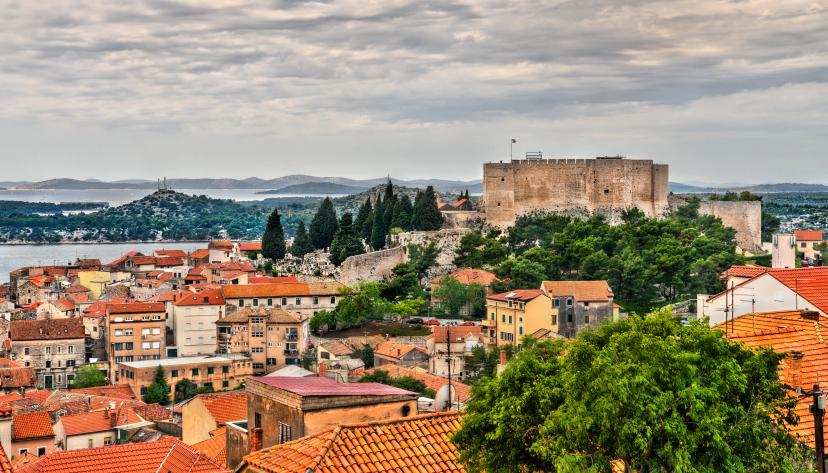
Rising above the old town of Šibenik, St. Michael’s Fortress is the city’s oldest fortification, first mentioned in the 11th century. Its strategic hilltop position offered protection from invaders, and today it provides sweeping views of the Šibenik archipelago. A modern open-air stage built within the fortress now hosts concerts and cultural events, blending history with contemporary life.

Neretva Valley image 1

Neretva Valley

The Neretva Valley in southern Dalmatia is often called Croatia’s “Garden of Eden.” Formed by the delta of the Neretva River, it’s a fertile patchwork of orchards, vineyards, and canals. The region is renowned for citrus fruit production — particularly mandarins — and traditional lađa boats, used for centuries to navigate its waterways. The valley’s blend of agriculture and natural wetlands makes it one of Croatia’s most unique landscapes.

Croatian Islands – Sun, Sea & Stone Villages

Each Croatian island has its own rhythm — from lavender-covered hills to white-pebble bays and ancient port towns.

You can experience their beauty on our Krk Road Bike Holidays or MTB Tour of Rab, and Split to Dubrovnik Island Routes.

Highlights:

Hvar Town image 1

Hvar Town

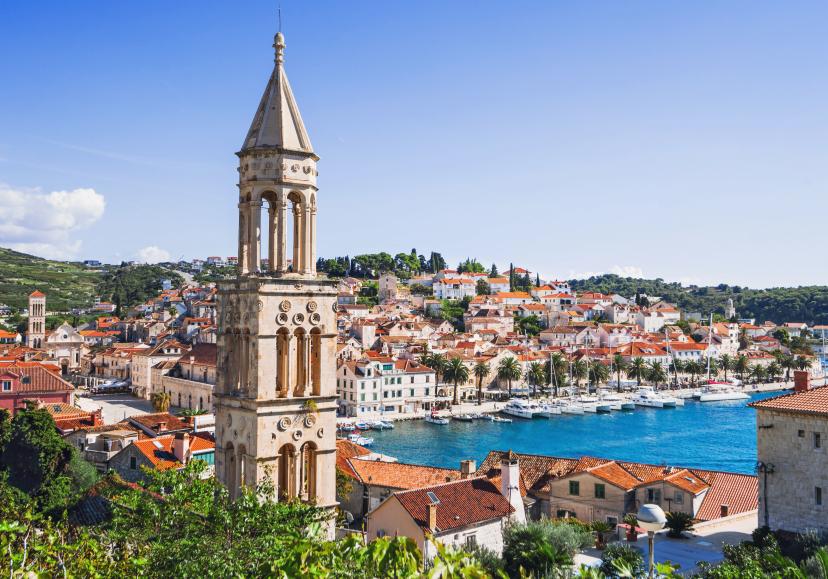
A glamorous harbor town on the island of Hvar, known for its Venetian-style architecture, marble squares, and lively cafés. The 16th-century Fortica (Španjola) overlooks the old port and the Pakleni Islands, while St. Stephen’s Cathedral anchors the main piazza—one of the largest in Dalmatia.

Lavender Fields, Hvar image 1

Lavender Fields, Hvar

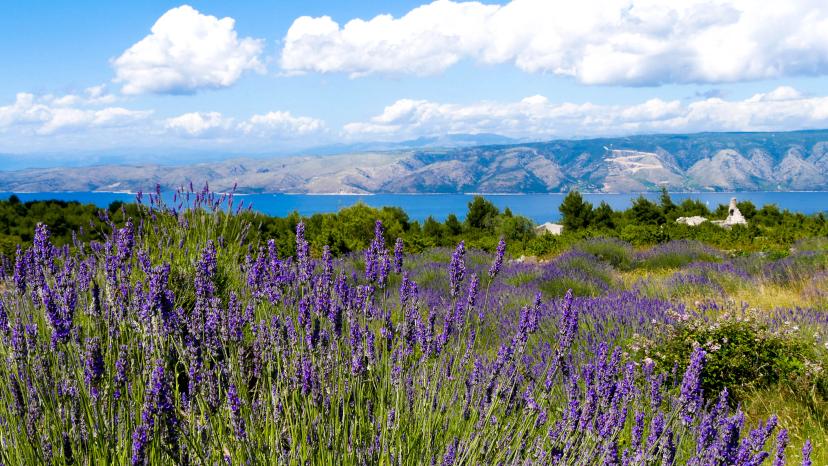
Hvar’s hills turn purple each June and July when lavender blooms across the island. The tradition began in the 1920s and once made Hvar one of Europe’s leading producers of lavender oil. Today, visitors can follow fragrant roads near villages like Velo Grablje and Zaraće, where the scent fills the summer air.

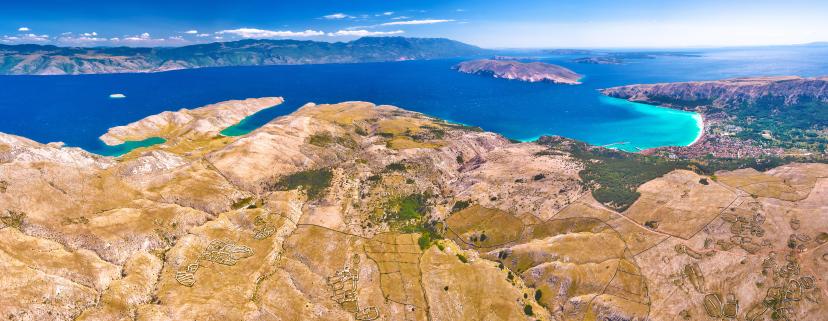
Baška image 1

Baška

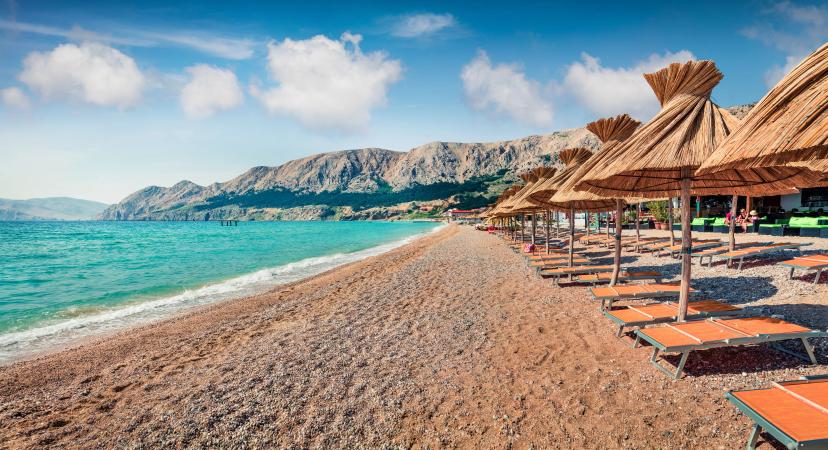
At Krk’s southern tip lies Baška, famed for Vela Plaža, a stunning 1.8-kilometer beach framed by limestone hills. The town is also home to the Baška Tablet, a 12th-century stone inscription in Glagolitic script — one of Croatia’s oldest written monuments. With its waterfront promenade, stone houses, and mountain backdrop, Baška blends beach relaxation with a deep sense of heritage.
Oprna Bay image 1

Oprna Bay

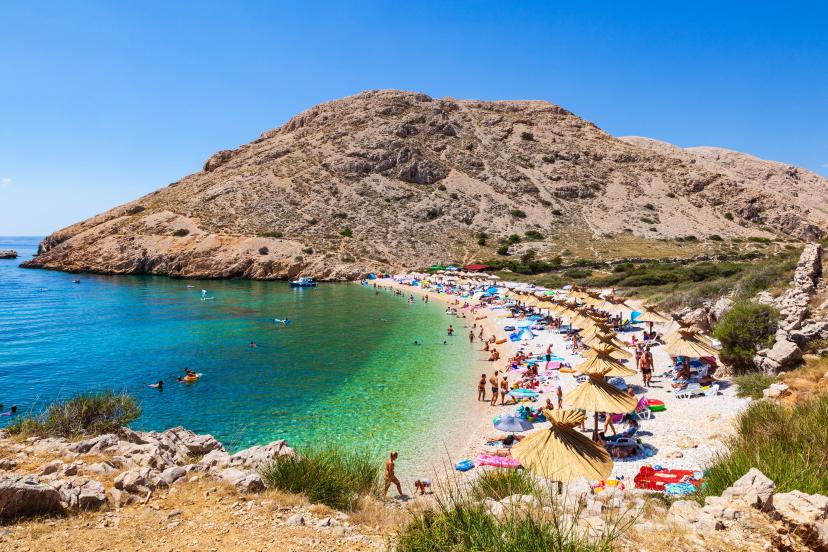
Nestled near Stara Baška, Oprna Bay is one of the island’s most picturesque coves. Its turquoise waters, white pebbles, and dramatic cliffs make it a favorite among locals seeking peace and natural beauty. The bay is reached by a short but steep trail, rewarding every visitor with views that feel like a slice of untouched Adriatic paradise.

Castle “Salatić” – Old Ruins image 1

Castle “Salatić” – Old Ruins

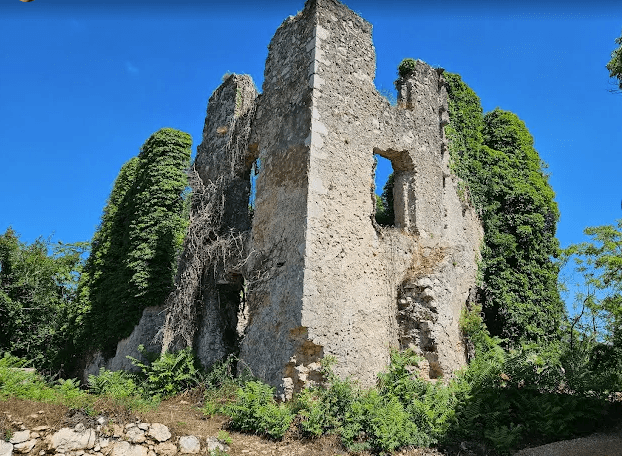
Near the village of Salatići, these ivy-covered ruins date to the 15th century and were once the residence of the noble Salatić family. The remains of towers and defensive walls stand quietly amid olive groves, evoking Krk’s medieval past when noble estates dotted the island’s fertile interior.

Malinska image 1

Malinska

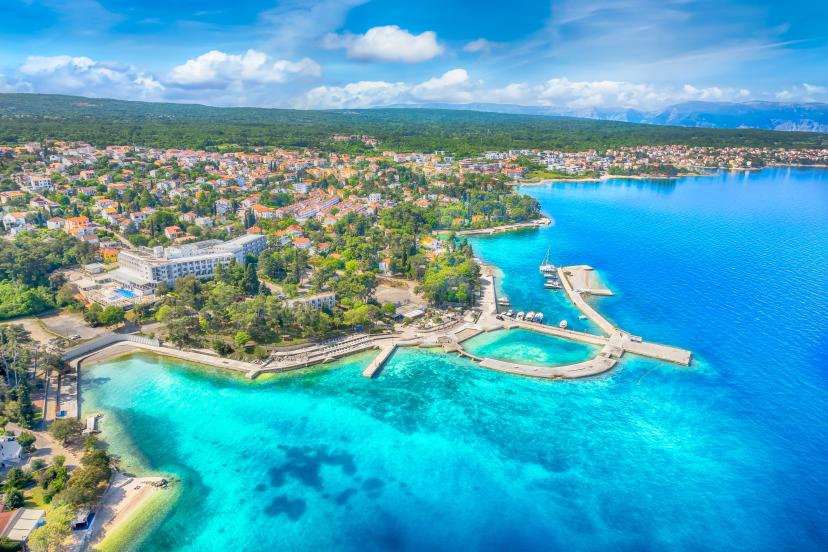
A charming coastal town on Krk’s western shore, Malinska has long been a favorite Adriatic retreat. Known for its sheltered bay, palm-lined promenade, and easygoing pace, it offers beaches, local taverns, and easy access to Krk’s inland villages. Once a fishing settlement, today it balances resort life with authentic island character.

Mjesečev Plato (Moon Plateau) image 1

Mjesečev Plato (Moon Plateau)

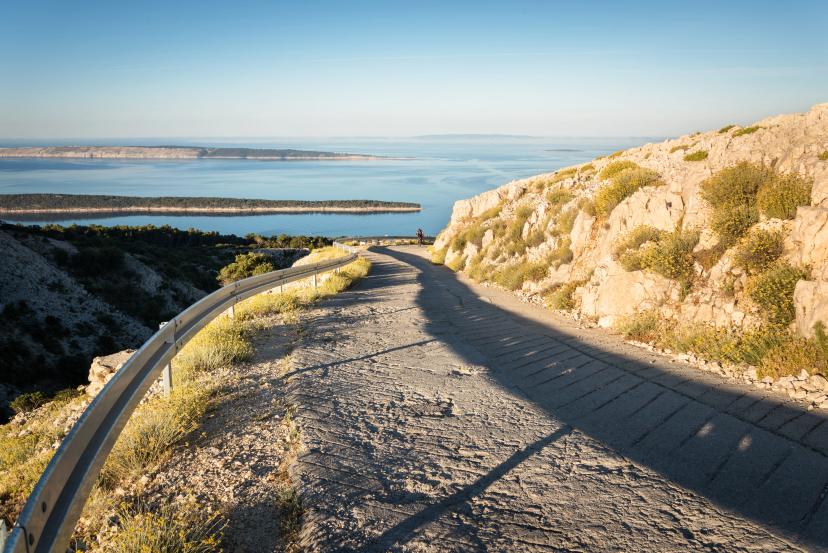
Known as the “Moon Plateau,” Mjesečev Plato is one of Krk’s most striking natural landmarks. Located near Baška, its barren, rocky landscape resembles a lunar surface — shaped by centuries of wind erosion and the island’s karst geology. The area offers sweeping views over the Adriatic and neighboring islands like Prvić and Cres. It’s a favorite among hikers and mountain bikers seeking otherworldly scenery just minutes from the sea.

Kamenjak Hill image 1

Kamenjak Hill

Standing at 408 meters, Kamenjak is the highest point on Rab Island, offering panoramic views of the entire Kvarner Gulf. On clear days, you can see the Velebit mountains across the water and the chain of northern Adriatic islands stretching into the distance. The summit features a scenic viewpoint and a small café where visitors can take in the dramatic contrasts of Rab’s green forests and rocky shoreline.

Rab Town image 1

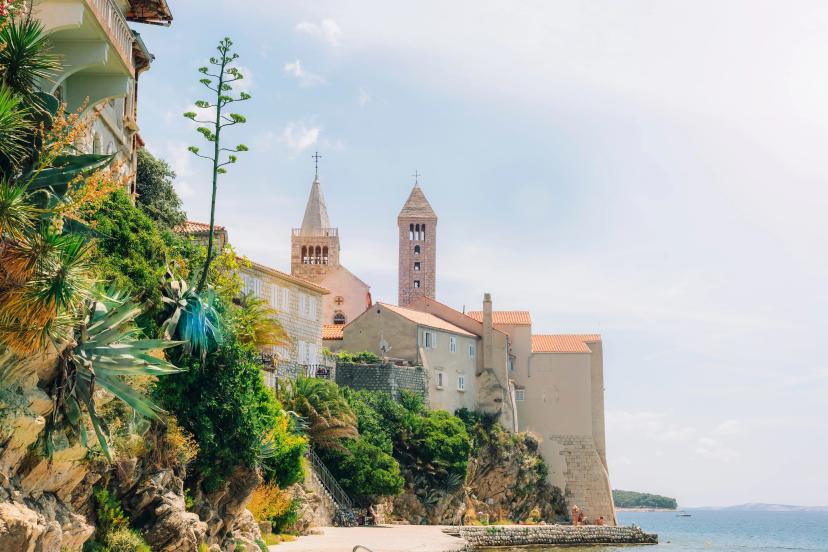
Rab Town

The historic heart of the island, Rab Town is a perfectly preserved medieval gem surrounded by ancient walls. Its skyline is defined by four Romanesque bell towers, earning it the nickname “the town of four towers.” Founded by the Romans and granted city status by Emperor Augustus, it flourished under Venetian rule. Today, its marble streets, Renaissance palaces, and waterfront promenade make it one of the Adriatic’s most beautiful old towns.

Cathedral of the Assumption of Blessed Virgin Mary image 1

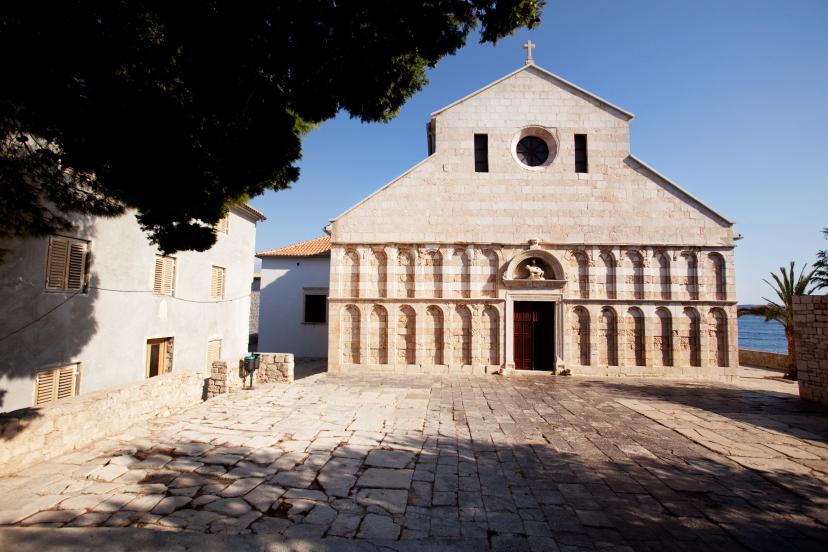
Cathedral of the Assumption of Blessed Virgin Mary

This 12th-century cathedral in Rab Town is one of the finest examples of Romanesque architecture on the Adriatic. Its bell tower, built in the 13th century, offers spectacular views over the town and harbor. Inside, the cathedral houses centuries-old stone carvings and relics that reflect Rab’s importance as an early Christian center.

Kalifront image 1

Kalifront

Kalifront is a vast forest peninsula on the western side of Rab Island, covered in oak and holm oak trees — a rare Mediterranean forest ecosystem. It’s part of the Dundo Nature Reserve, protected since 1949, and home to deer, wild boar, and a network of peaceful trails leading to hidden coves. The blend of dense woodland and turquoise sea makes Kalifront one of Rab’s most tranquil and scenic areas.

Surrounding Countries – The Wider Adriatic Adventure

Croatia’s cycling routes connect effortlessly with neighboring regions — perfect for riders who want to explore beyond borders.

Our international tours, such as Balkan Cycling Tour, Road Cycling Slovenia–Italy–Croatia, and Bolzano to Pula Cycling Holidays link Croatia’s coast with the Alps, Slovenia’s wine valleys, and Montenegro’s mountain fjords.

Highlights:

Bay of Kotor image 1

Bay of Kotor

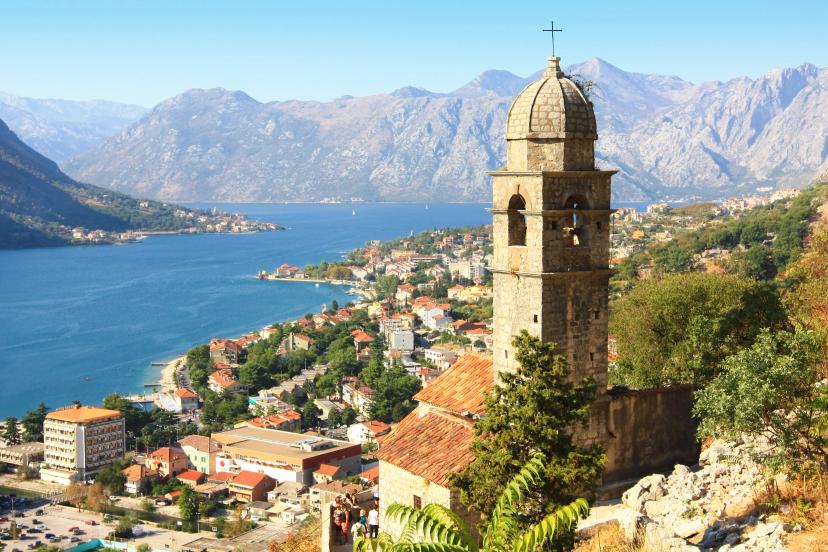
Often called Europe’s southernmost fjord, Boka Bay (Boka Kotorska) is a dramatic inlet carved by ancient tectonic forces. Surrounded by rugged mountains, its calm waters host historic towns like Perast and Risan. The bay’s narrowest point—Verige Strait—is just 400 meters wide. The old town of Kotor, nestled along the bay, is protected by steep ramparts and Gothic palaces.

Kotor image 1

Kotor

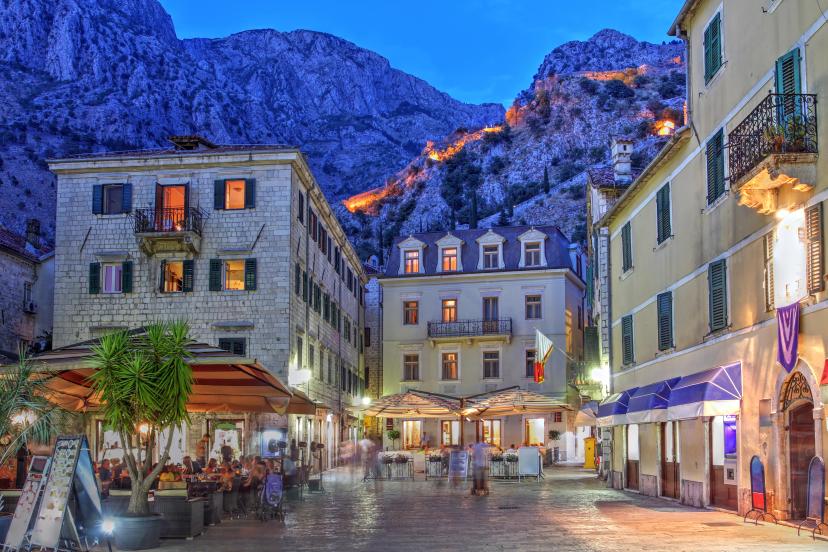
A jewel on the Boka Bay, Kotor is an ancient walled city with roots reaching back to Roman times. Its fortified walls climb the steep hillsides behind the town, leading to the Castle of Saint John at 260 meters elevation. Within its walls are narrow medieval streets, baroque palaces, and the Cathedral of Saint Tryphon, built in 1166. Kotor’s blend of maritime history and mountain backdrop makes it uniquely stunning.

Popovo Polje Valley image 1

Popovo Polje Valley

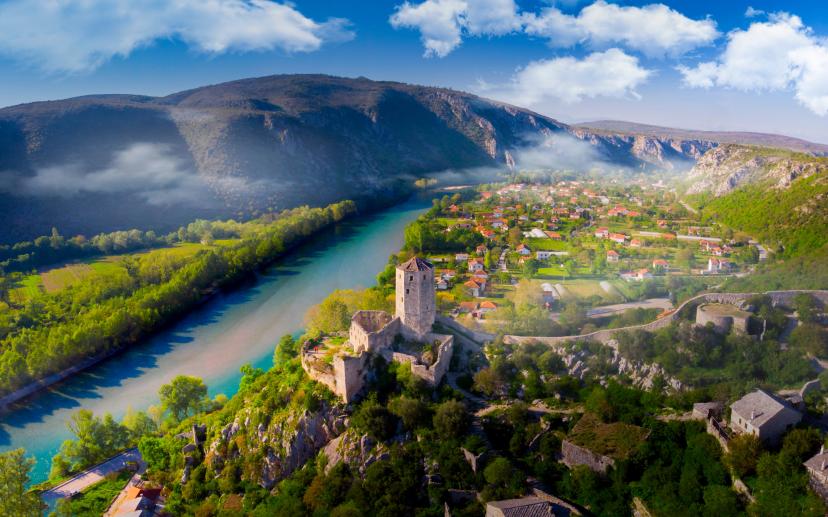
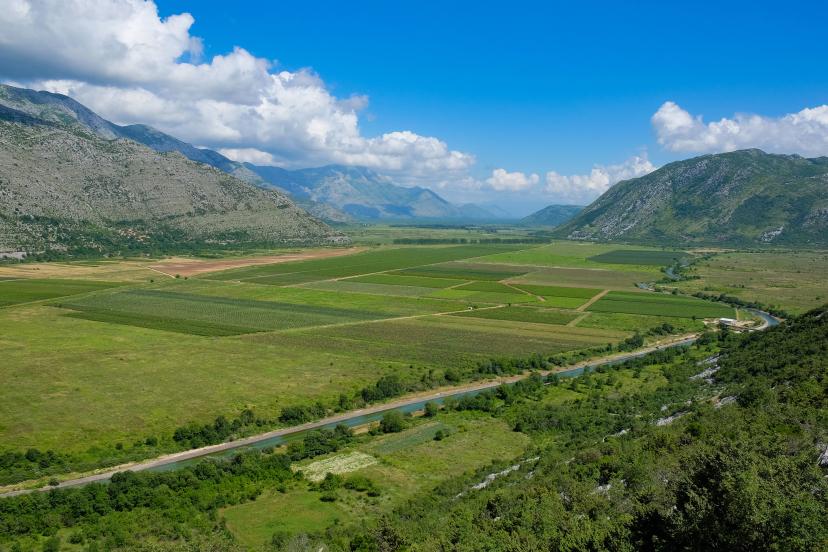
Popovo Polje is a broad karst plain in southern Herzegovina (Bosnia & Herzegovina), surrounded by hills, forests, and limestone ridges. The name “Polje” means “field” in Slavic, and this valley is one of the largest karst fields in the Balkans. Lush and fertile, it supports vineyards, seasonal streams, and old villages. It lies just north of the Adriatic and has served as a cultural crossroads between coastal and inland regions.

Want more? Explore our cycling tours in the surrounding countries:

Ready to See It All?

Our cycling holidays are designed to showcase the most beautiful places in Croatia — from island sunsets to mountain panoramas.

Tell us what kind of trip you’re dreaming of, and we’ll help craft the perfect route for you!

Agent profile picture
Talk to our travel expert
Hassle-Free

Hassle-Free

We handle itineraries, accommodations, and anything else you prefer not to deal with, so you can enjoy carefree cycling holidays.

Handpicked Adventures

Handpicked Adventures

Only the best bike tours in Croatia, cherry-picked by our team with an in-depth knowledge of the region.

Trusted by Many

Trusted by Many

Since 2014, we have taken care of thousands of happy customers, making it our mission to put your satisfaction first.

Value Your Time

Value Your Time

With everything on your plate, let us handle the vacation planning, so your valuable time stays exactly where you need it.

Unbeatable Support

Unbeatable Support

Our round-the-clock customer support is where we show our passion, bringing you a better experience by making your well-being our number one priority.